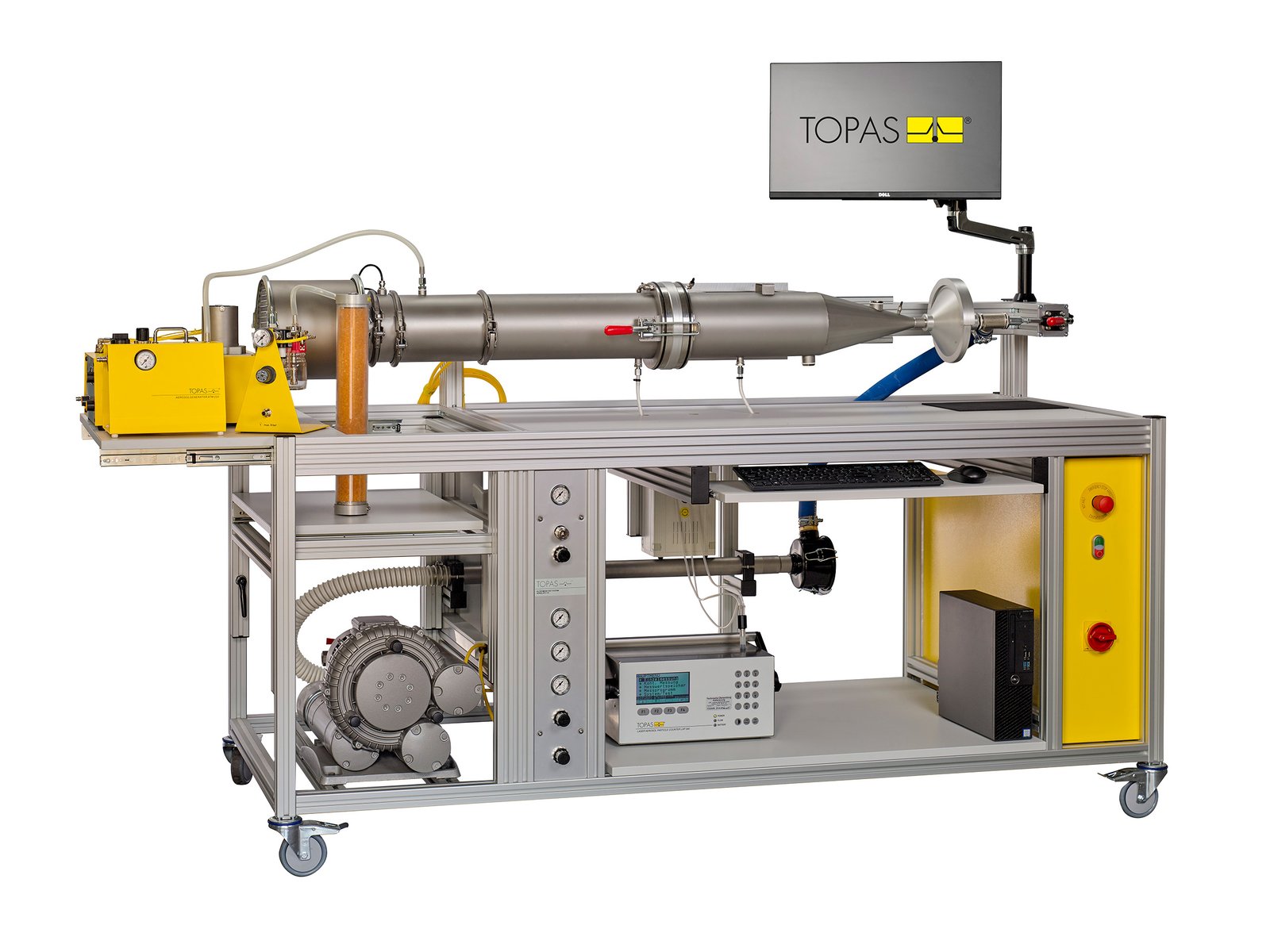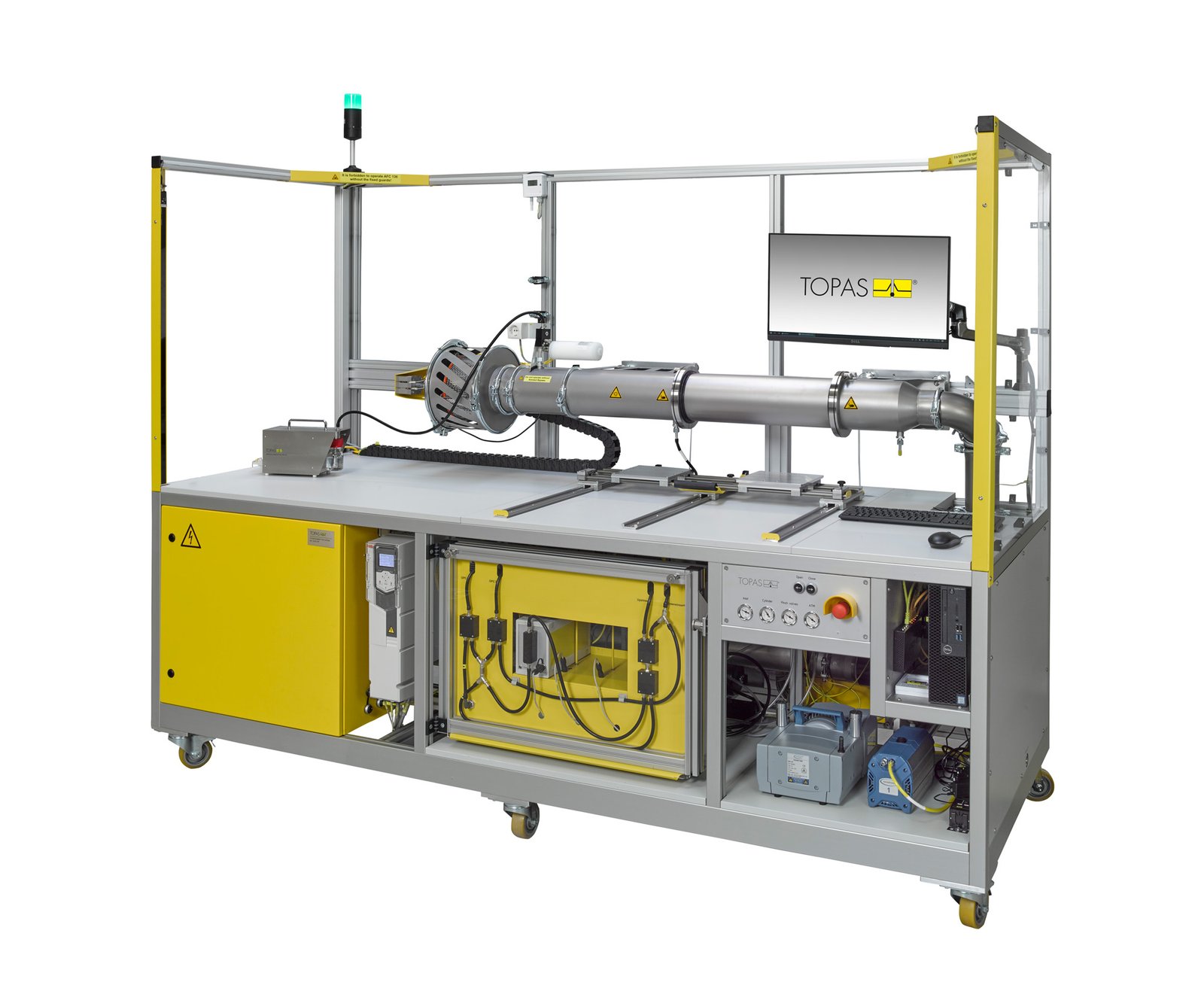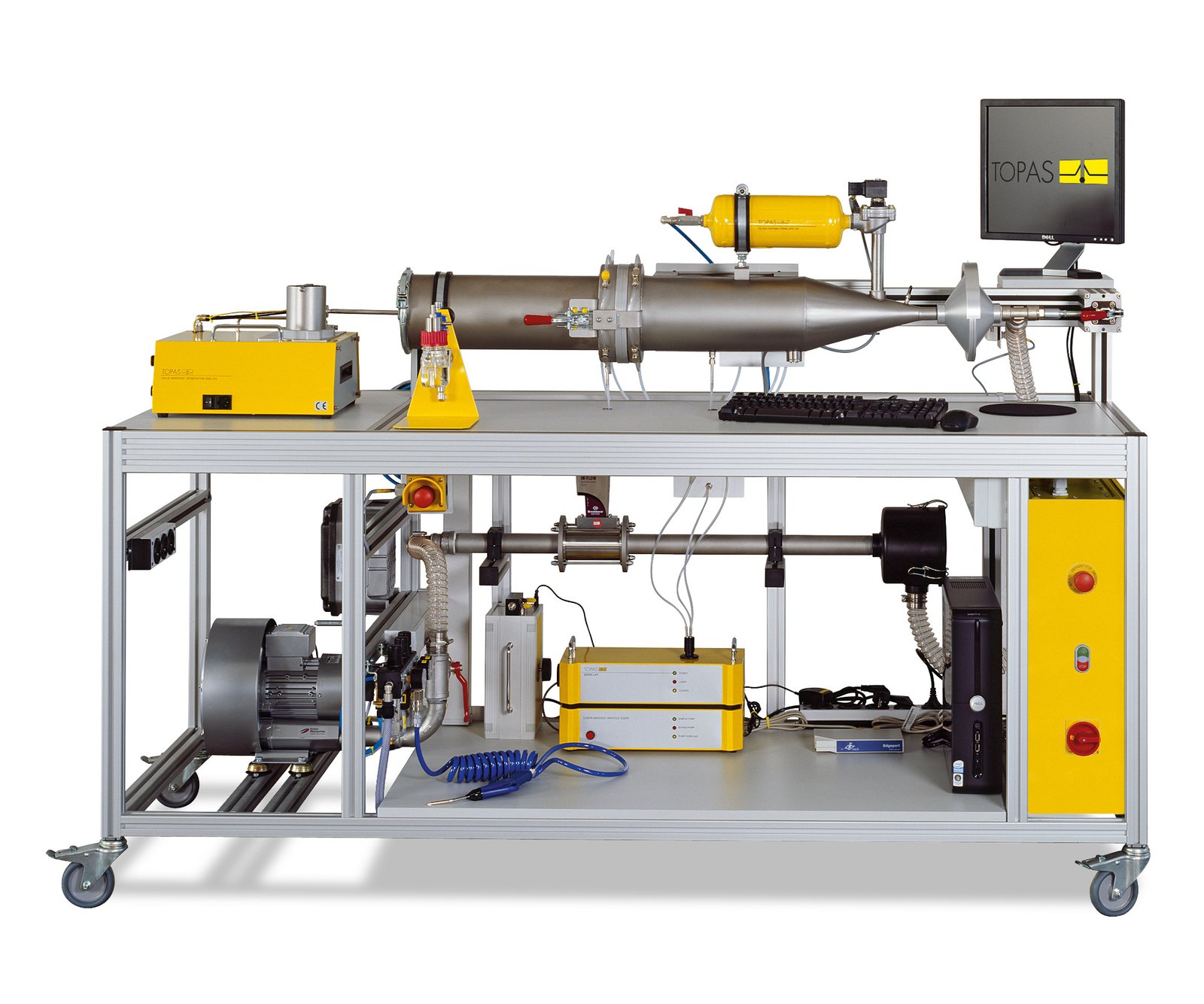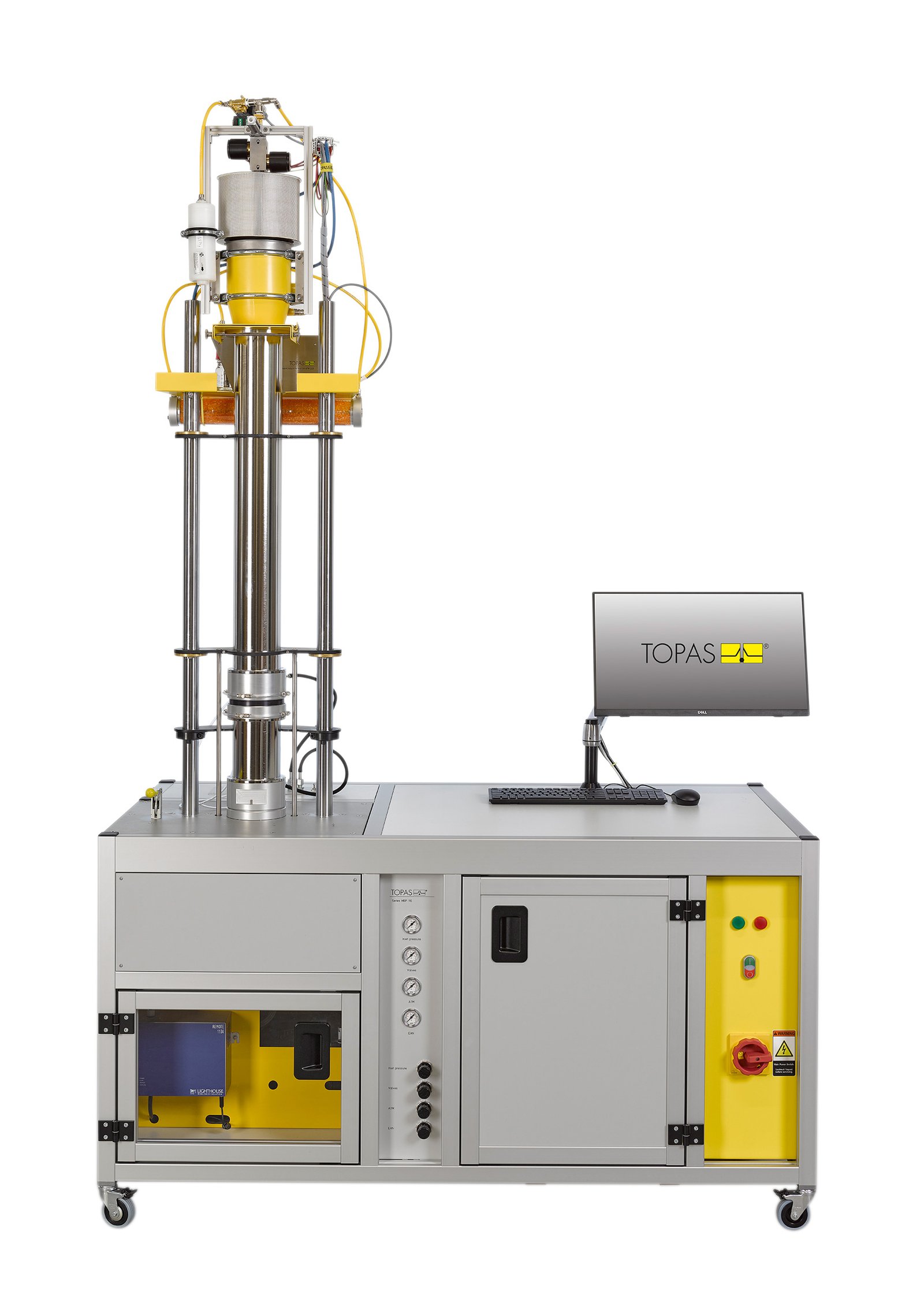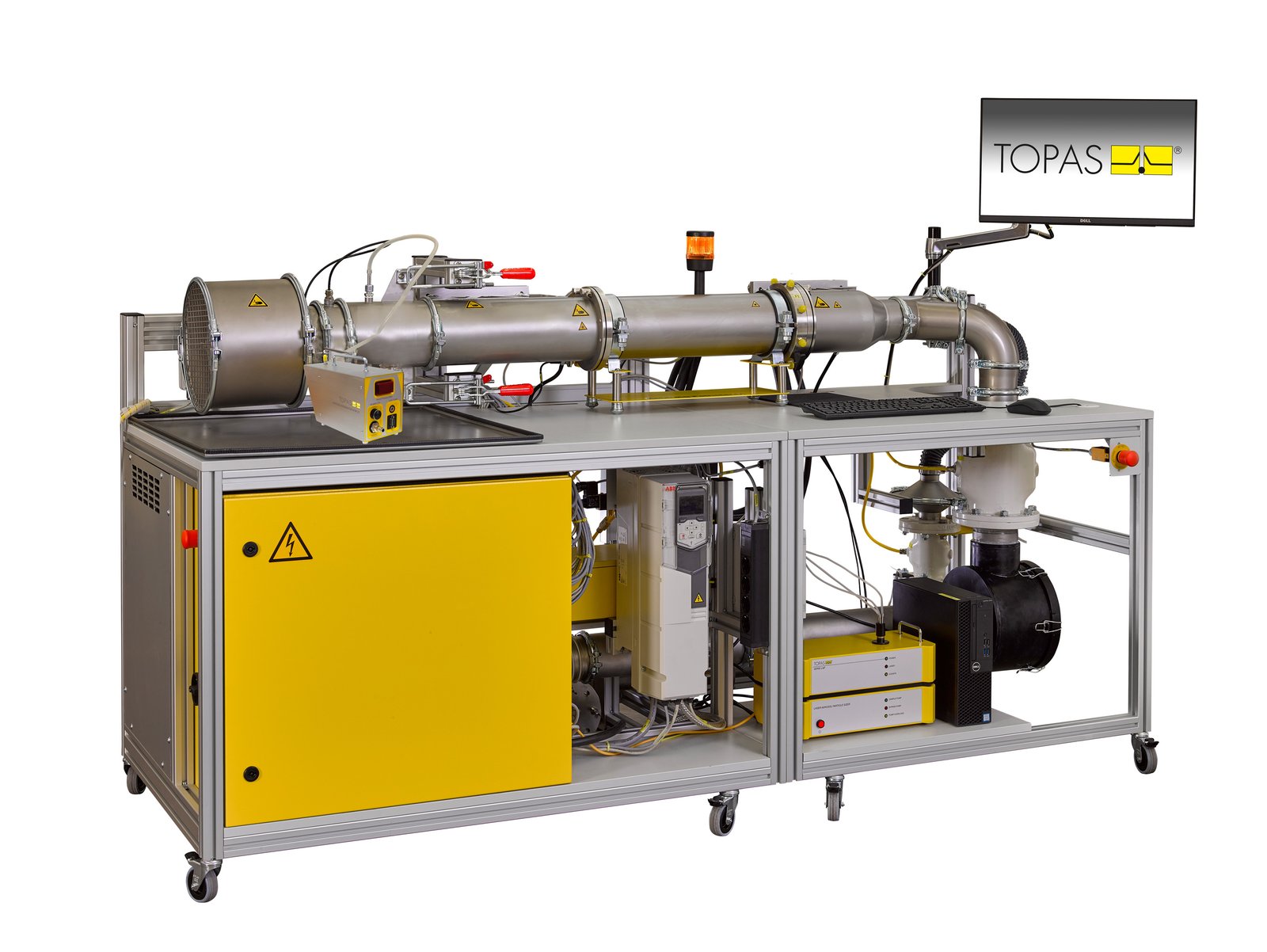
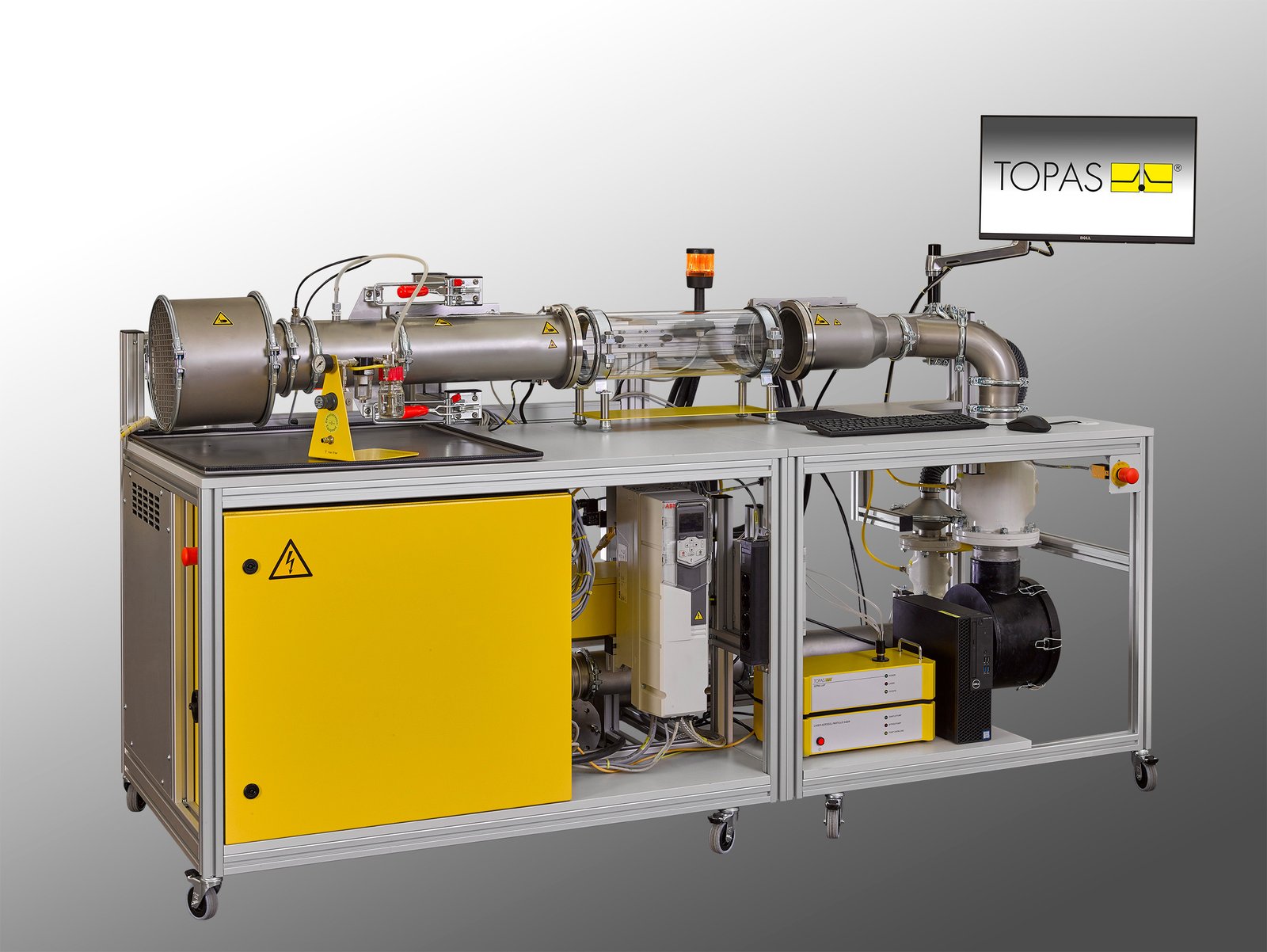
AFC 135 Aerosol Sensor Test & Calibration System
Flexible test platform for development, testing and calibration of active or passive PMx and PNx aerosol sensors using stable, defined solid or droplet aerosols over a wide volume-flow range.
Model Overview
| Model | System role | Primary measurements | Standards / application fit |
|---|---|---|---|
| AFC 135 | Aerosol-sensor development and calibration system | Defined aerosol exposure, reference measurement and sensor-response evaluation | PMx/PNx sensor development, production quality assurance and ageing studies |
Key Features
Stable defined aerosol exposure
Creates controlled aerosol concentrations at variable volume-flow rates for repeatable sensor evaluation.
Solid and droplet aerosols
Supports different particle types for PM and PN sensor response studies.
Wide flow range
Optional measuring sections cover approximately 0.8–40 m³/h and 40–450 m³/h.
Flexible sensor integration
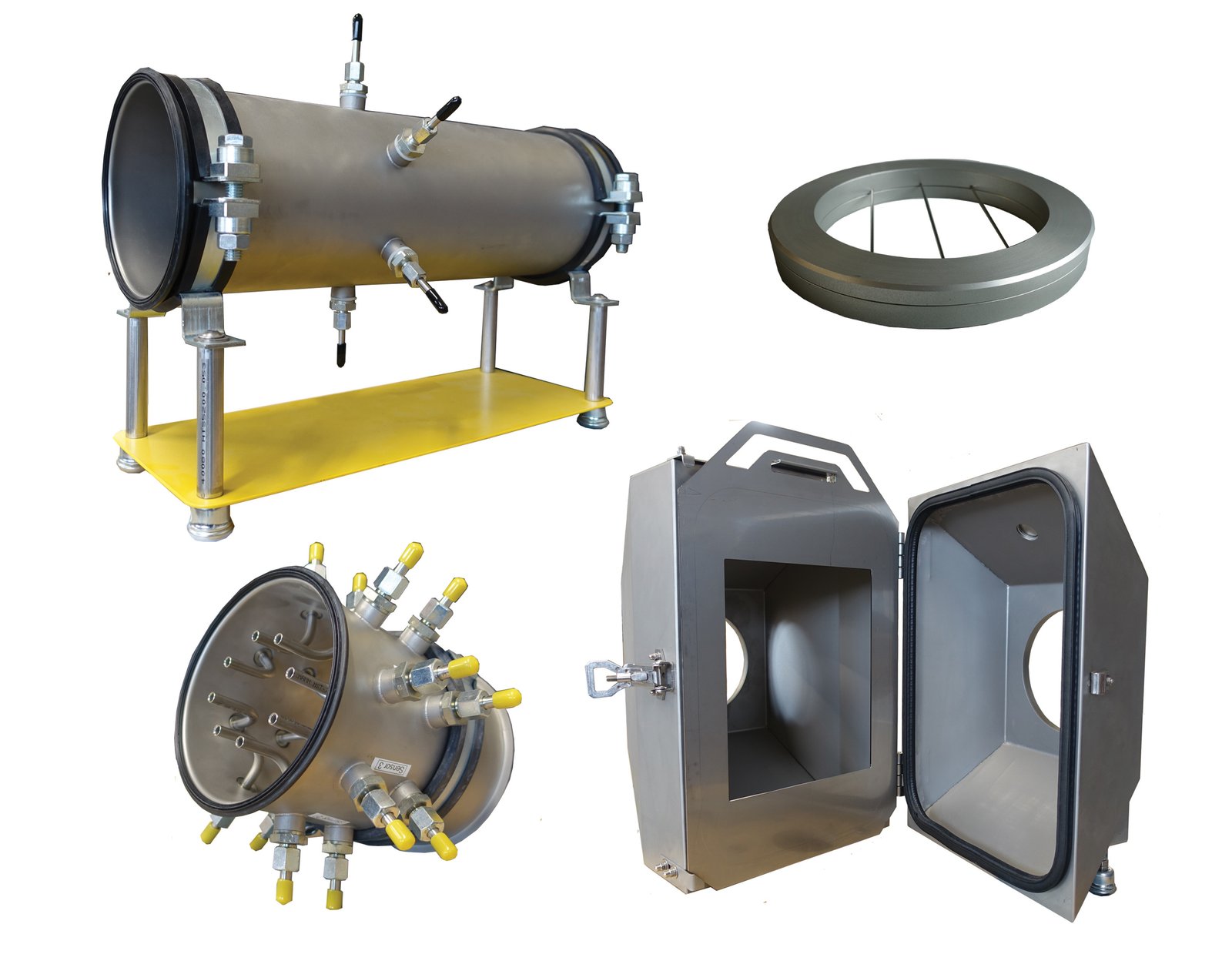
Active and passive sensors, probes, flat media and other devices can be mounted with suitable fixtures.
Reference instrumentation
Topas or external particle instruments can be integrated for traceable comparative measurement.
Customer-specific configuration
The platform can be adapted for development, production calibration and ageing investigations.
Technical Specifications
| Parameter | Unit | Value / Description |
|---|---|---|
| TEST RANGE | ||
| Test flow rate | m³/h | 0.8–450 |
| Test concentration | µg/m³ | 5–1,000 at 100 m³/h |
| Maximum specimen pressure drop | Pa | 10,000 at 450 m³/h |
| Duct diameter | mm | 150 |
| SYSTEM | ||
| Aerosol generation | — | Controlled generator for solid and/or droplet aerosols |
| Reference measurement | — | Customer-specific, for example LAP 323 aerosol spectrometer |
| Sensors | — | Differential pressure, temperature, relative humidity and absolute pressure |
| Power supply | — | 400 VAC, 25 A |
Values shown are based on the standard system configuration. Confirm the final test method, specimen fixtures, instrumentation, utilities and calibration scope before order placement.
Applications
PMx and PNx sensor development
Characterisation of sensor response across concentration, particle type and airflow.
Sensor calibration and QA
Repeatable comparative calibration and end-of-line quality assurance.
Sensor ageing studies
Controlled exposure for monitoring drift and ageing behaviour.
Aerosol fundamentals
Flexible integration of sensors and reference instruments for experimental investigations.